
Low-Cost Hobbies : 12 Enriching Activities That Cost Almost Nothing
Let’s be honest – when people talk about hobbies, there’s always this unspoken assumption that you need to spend a lot to enjoy yourself. A gym membership here, a gadget there, a course that costs more than your weekly shop. But frankly, some of the most satisfying things you can do with your free time are basically free. You just need to know where to look.
If you’re trying to make the most of your spare time without burning through your budget, you’re in the right place. And while we’re on the topic of getting organised with your interests and passions, it’s worth knowing that tools like archivagefacile.fr can help you store and manage your documents, memories or creative projects without any fuss – handy when your hobbies start to stack up.
Right, let’s get into it. Here are 12 activities that cost little to nothing – and that are genuinely worth your time.
1. Walking with a Purpose
Not just a stroll to the shops. I mean proper walking – choosing a new route every week, discovering a park you didn’t know existed, following a trail. In the UK especially, public footpaths are everywhere. The OS Maps app has a free version, and honestly, a good pair of shoes you already own is all you need. It’s surprisingly addictive once you start.
2. Reading (Properly This Time)
When was the last time you actually finished a book ? Libraries are free – completely free – and massively underused. Most councils also give you access to apps like Libby or BorrowBox with your library card, so you can borrow ebooks and audiobooks from your sofa. No excuses.
3. Journaling
A notebook and a pen. That’s it. Journaling isn’t just for teenagers or people going through something hard – it’s a proper habit that a lot of creative, successful people swear by. Five minutes in the morning or before bed. You’d be surprised how much clearer your head feels after a week.
4. Drawing or Sketching
You don’t need talent to start. Seriously. Grab a cheap sketchbook (you can find them for under £3 in discount shops) and just observe things around you. There are dozens of free drawing tutorials on YouTube – channels like Alphonso Dunn or Proko are brilliant for beginners. Maybe you’ll be rubbish at first. That’s kind of the point.
5. Cooking Something New Every Week
This one pays for itself. Pick one recipe a week you’ve never tried – a Moroccan tagine, a Japanese curry, a proper French omelette. You’re spending money on food anyway, so this doesn’t really count as an extra cost. And you end up with an actual skill, which is more than you can say for scrolling social media for an hour.
6. Learning a Language
Duolingo is free. YouTube is free. Podcasts are free. You can get surprisingly far with a language just using what’s already available online. Pick something you’re genuinely curious about – not just “useful for holidays” – and you’ll actually stick with it. Italian, Japanese, Portuguese… whatever pulls you in.
7. Photography with Your Phone
Cameras are incredible now and most people carry one in their pocket constantly. Photography as a hobby is about learning to see – composition, light, timing – not about the gear. Challenge yourself to take ten interesting photos every Sunday. Look up basic composition rules. Follow photographers you admire on Instagram for inspiration. It costs nothing.
8. Gardening (Even in a Flat)
No garden ? No problem. Growing herbs on a windowsill – basil, mint, chives – costs maybe £2 for seeds and gives you fresh ingredients for months. If you do have outdoor space, check out local Freecycle groups or community swap events where people give away cuttings and seedlings for free. Gardening is meditative in a way that’s hard to explain until you’ve tried it.
9. Birdwatching
Okay, I know. Stay with me. Birdwatching has had a genuine revival, especially since lockdown, and it makes sense – you can do it anywhere, anytime, for nothing. The RSPB has a free bird identifier on their website. Download the Merlin app (also free) and it will actually identify bird calls in real time. Once you start noticing birds, you can’t stop.
10. Podcasts and Audio Documentaries
This isn’t a passive activity if you treat it right. Pick a topic you know nothing about – the history of ancient Rome, how music production works, the science of sleep – and go deep into it over a few weeks. BBC Sounds and Spotify have thousands of hours of high-quality content at no cost. Pair it with a walk and you’ve doubled up on two activities from this list.
11. Upcycling and DIY Projects
Got an old piece of furniture, a tired lamp, a chair with a wobbly leg ? Fixing and refreshing things you already own is genuinely satisfying, and it’s a skill that builds over time. YouTube has tutorials for almost everything. The materials are usually minimal – sandpaper, a bit of paint – and the result is something you made, which feels different from something you bought.
12. Board Games and Card Games
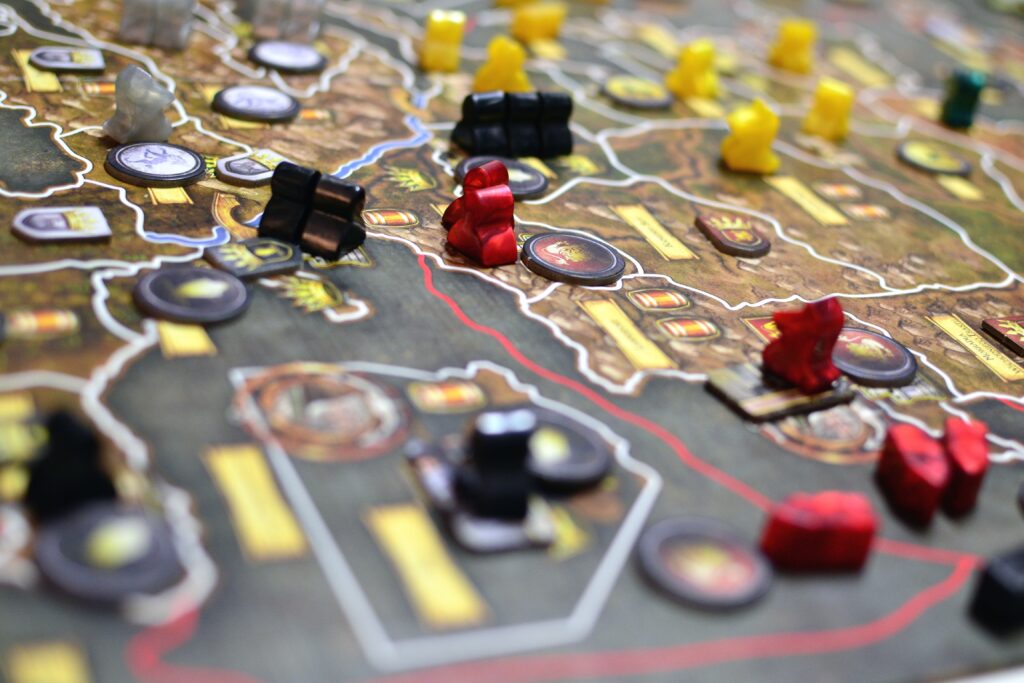
If you’ve got people around you – family, flatmates, friends – a good card game or board game is one of the best value purchases you’ll ever make. But beyond buying, check out local board game cafés that often have free play events, or look into free print-and-play games online. Some of the most creative games out there are completely free to download and try.
The Real Point Here
None of these activities will cost you much. Some will cost you nothing at all. What they will cost you is a bit of time and the willingness to try something without knowing how it’ll go.
That, honestly, is the best thing about low-cost hobbies – there’s no big financial risk, so there’s no pressure. You can quit, pivot, try three things at once, or go all in on one. The freedom is kind of the whole point.
So – which one are you going to try first ?